You aren’t failing, your systems are failing YOU
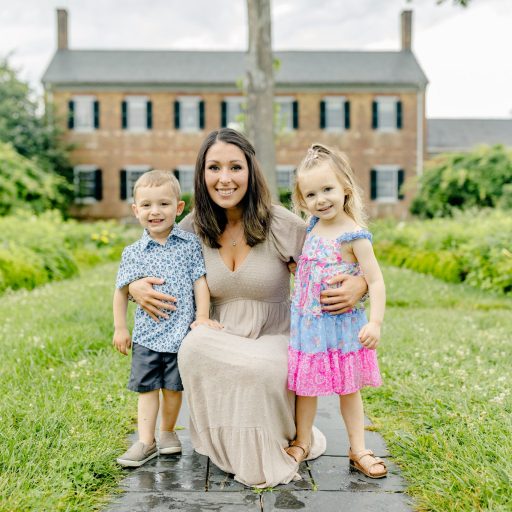
Hello! My name is Olivia Inglett, and I am thrilled you’re here.
Welcome to a sneak peak of what’s inside my brain. I am the single mother of two incredible children, a Certified Financial Planner, and a lover of all things organized. As the parentified eldest daughter of an eight child family, collegiate athlete, ex-military spouse, and career single mom, systematic structuring of the daily essentials have been crucial to the success of maintaining a functional lifestyle where I get to maximize my efficiency without sacrificing being able to cherish the memories. Whether you are single, married, young, old, with or without children to manage…I hope you find this page useful in brainstorming ways to streamline your routines so that you can enjoy life to the fullest!
It starts with WHY
I found out I pregnant the same day I received an email to take my laptop home for two weeks to “flatten the curve”. You know the one I’m talking about. The COVID-19 pandemic had just begun, and we had no idea what was in store for us. My daughter was born at the end of 2020 and just a few weeks later at a postpartum check up, I learned I was expecting…again. The baby’s due date? Two weeks after my daughter’s 1st birthday. Only 1 week before my then-husband was supposed to deploy for a year. Two babies. One parent. The world on lockdown.
Flashback to 2020, there were no daycare spots, no nanny’s willing to risk getting sick. I had a full-time job, a newborn, and what would soon be two infants under 1 year old to raise by myself. I had a lot to learn, and FAST! Exhausted, overwhelmed, and covered in breastmilk, I know with absolute certainty that every day, every system implemented, has been more than just survival. It has been an intricately designed ecosystem of life so that I could focus the vast majority of my time and energy where it mattered the most–on the two BEAUTIFUL sets of little eyes looking back at me and smiling as they call me “Mama”. There was, and is, no space to waste with inefficiencies. My sole life focus is forevermore loving these two babies as well as I can, with every fiber of my being, which means everything around us needs to run as smoothly as possible so my eyes can stay locked on theirs.
So now, I ask you, what is your WHY?
Why are you here? What are you looking to learn? What systems/lack of systems are holding you back from being the best you that only you can be?
Whether you know those answers off the top of your head or you’re still trying to find the words to articulate the emotions, welcome. I hope that this page serves as an idea playground for you to curiously explore to find the right balance of systems for the life you lead, the passions you carry, and the little hands that you hold.
Systems of Efficiency help moms build calm, simple systems that work even on their worst days to reduce the mental load so that they can enjoy their children more.
 Systems of Efficiency